

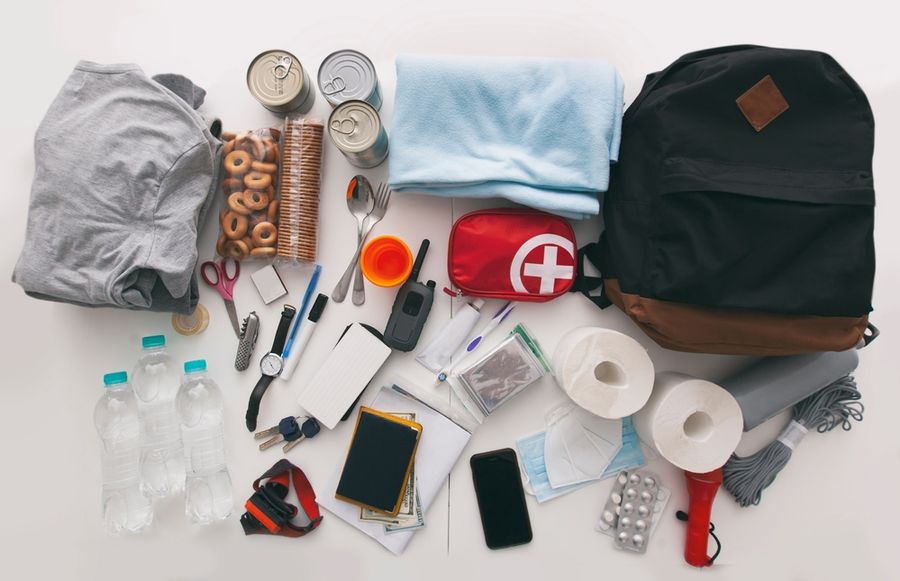
When the power goes out or a storm rolls in, no one wants to be making a frantic run to a sold-out store. The truth is, most home emergencies don't give much warning, which is why preparation matters before anything goes wrong. A thoughtful set of basic supplies can turn a stressful situation into a manageable one. Building that supply now is one of the simplest, smartest steps any homeowner can take for their household.
Start With Water
Water is the single most important supply you can store. The American Red Cross recommends keeping at least one gallon of water per person per day, with a three-day supply for evacuations and a two-week supply for sheltering at home. Don't forget pets, who'll need their own allotment too. Store water in food-grade containers, keep them in a cool, dark spot, and rotate them every six months to keep them fresh.
If you live in an area prone to hurricanes, wildfires, or winter storms, consider keeping a few extra gallons beyond the recommended minimum. It's also smart to pick up a small bottle of unscented household bleach or water purification tablets, which can disinfect questionable water if your supply runs low or the tap becomes unsafe to drink.
Stock Food That Lasts
Choose non-perishable, ready-to-eat items that don't require cooking or refrigeration. FEMA's Ready.gov suggests at least a three-day supply for an emergency go-bag and a two-week supply for in-home use. Canned soups, beans, vegetables, peanut butter, tuna, dried fruit, granola bars, and crackers are reliable staples. It's also important to include a manual can opener, paper plates, plastic utensils, and a few comfort foods, like coffee or chocolate, to make the experience easier for everyone.
Rotate food items every six to twelve months by working them into your regular meals so nothing goes to waste. If anyone in your household has dietary restrictions or food allergies, build the kit around those needs from the start.
Light, Power, and Communication
Power outages are one of the most common home emergencies, and the right tools make a real difference. Keep at least two flashlights with extra batteries, a battery-powered or hand-crank NOAA weather radio, and power banks for charging phones. Staying informed and reachable is just as important as staying lit.
The CDC warns against using candles during outages because of fire risk, so stick with battery-operated lanterns instead. If you own a generator, store fuel safely outside and never run it indoors or in an enclosed garage. Generators are a leading cause of carbon monoxide poisoning during storms, and the consequences can be deadly within minutes.
First Aid and Medications
Every home should have a well-stocked first aid kit with bandages, gauze pads, adhesive tape, antiseptic wipes, antibiotic ointment, scissors, tweezers, and basic over-the-counter medications like pain relievers, antihistamines, and antacids. Add anything specific to your household, like an EpiPen, asthma inhalers, or pediatric medications.
Keep at least a seven-day supply of any prescription medications, and check expiration dates twice a year. The CDC notes that medications requiring refrigeration may need to be discarded after a prolonged outage, so it's worth talking to your pharmacist in advance about how long your specific prescriptions can stay safe at room temperature.
Sanitation, Shelter, and Safety Basics
Some of the most overlooked supplies are sanitation items. Stock garbage bags, plastic ties, moist towelettes, hand sanitizer, and personal hygiene products. If your water service is interrupted, a five-gallon bucket with a tight-fitting lid can serve as a makeshift toilet, and a few rolls of toilet paper stored in a sealed bag will go a long way.
Extra blankets, sleeping bags, and a complete change of warm clothes are key, especially in cold climates. A whistle for signaling help, plastic sheeting and duct tape for emergency repairs, a multi-tool, work gloves, sturdy shoes, and a fire extinguisher round out the essentials. Keep a few N95 dust masks in case of wildfire smoke or air quality issues.
Important Documents and Cash
In an emergency, it's easy to forget that paperwork matters. Keep copies of identification, insurance policies, medical records, deeds, and emergency contact lists in a waterproof, fireproof container. Save digital backups on a secure cloud account or an encrypted USB drive so you can access them from anywhere.
The Red Cross also recommends setting aside a small amount of cash since ATMs and card readers often don't work during widespread outages. A few hundred dollars in small bills can be the difference between picking up essentials and being stuck without options.
Don't Forget the People (and Pets) at Home
You must customize your kit for the people who actually live in your home. If you have a baby, add formula, bottles, diapers, and wipes. For older family members, include extra eyeglasses, hearing aid batteries, and any mobility aids. Pets need their own supplies too! A few days of food, a bowl, a leash, vaccination records, and a familiar comfort item like a favorite toy are a great start.
Putting It All Together
The best emergency kit is one you've actually built and stored somewhere you can grab it quickly. Use clear plastic bins or duffel bags labeled by category, and keep them in an accessible spot like a hall closet, mudroom, or garage shelf. Also, avoid burying supplies behind seasonal decorations or rarely-used items.
Review the contents twice a year, ideally when you're already changing smoke detector batteries, so you stay on top of expirations and replacements. Preparation gives you the calm and confidence to handle whatever comes your way. A few hours of planning today can save you days of stress later.