

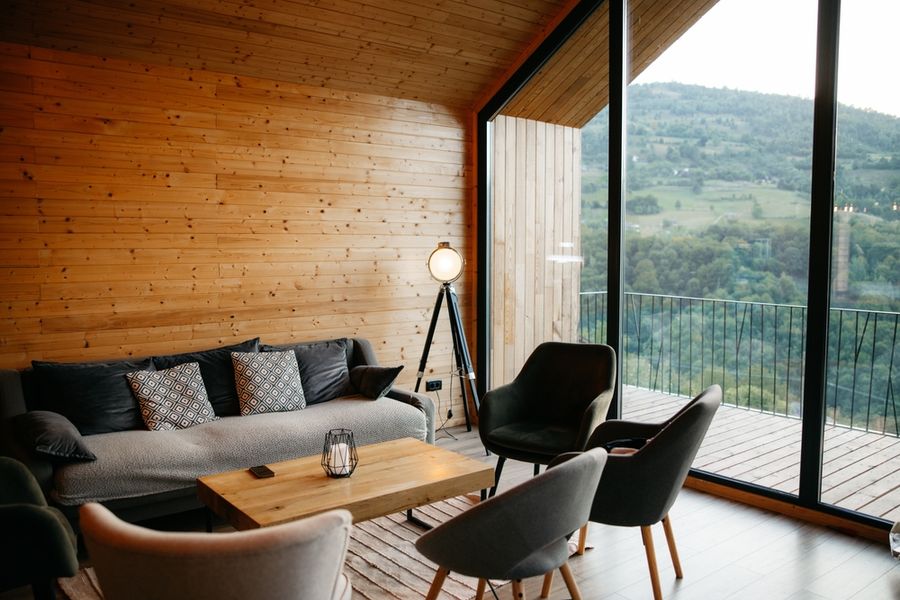
Wood gives a home warmth, character, and beauty, but it has one stubborn weakness: moisture. Floors, furniture, trim, cabinets, decks, and exterior siding all start to fail the moment water finds them and doesn't leave quickly. This is why protection is important. Protecting wood surfaces takes a mix of good sealing, smart humidity control, and a habit of catching problems early. The reward is wood that ages gracefully and lasts for generations rather than years.
Why Moisture Is Wood's Biggest Enemy
Wood is naturally porous, which means it absorbs and releases moisture depending on the humidity around it. When wood takes on too much water, the fibers swell and warp. When it gets too dry, those same fibers shrink and split. Either extremes can cause the kind of damage that no refinishing can fully reverse.
Even worse, moisture trapped inside wood for any length of time invites the fungi that cause rot and decay. Roughly 10 percent of the timber harvested in the U.S. each year goes to replacing decayed wood in existing homes.
Control Indoor Humidity
Indoor humidity has more impact on indoor wood than most homeowners realize. It's best to aim for 30 to 50 percent year-round, which is ideal for hardwood floors and quality furniture.
Consider using a humidifier in winter when forced-air heat dries the air, and a dehumidifier in summer when humidity climbs. An inexpensive hygrometer placed in a central room helps you monitor the level. Stable humidity keeps wood from cycling through extreme swells and shrinkage that loosen joints, open gaps, and damage finishes over time.
Seal Exterior Wood Surfaces
Decks, fences, siding, exterior trim, and outdoor furniture all need a moisture barrier to last. A high-quality wood sealer creates a hydrophobic layer that makes water bead up rather than soak in. Most sealers need to be reapplied every two to three years, depending on climate and sun exposure.
Additionally, stains can add color and UV protection while sealing the surface. Whatever product you choose, clean the wood thoroughly first, since sealing in dirt or moisture can actually encourage rot. Always apply on a clear, dry day with a few days of dry weather in the forecast.
Protect Hardwood Floors From Spills and Steam
Hardwood floors handle daily life well, but standing water is one of their worst enemies. Wipe spills immediately, place rugs at every entry to catch wet shoes, and never wet-mop a hardwood floor with anything more than a barely damp cloth.
Avoid steam mops entirely, since the heat and moisture can lift finishes and cause warping. Quality area rugs in high-traffic areas, felt pads on every piece of furniture, and a once-yearly recoat of polish or polyurethane will keep most wood floors looking new for decades.
Care for Wood Furniture Carefully
Wood furniture deserves the same protection as floors. Use coasters under drinks, trivets under hot dishes, and a soft cloth dampened with mild soap for routine cleaning.
Also, avoid direct sunlight and the area near heating vents, both of which dry wood out and cause finishes to crack. Apply a quality furniture wax or polish once or twice a year for an extra layer of protection. For antique or heirloom pieces, consider consulting a furniture restorer rather than experimenting with home remedies.
Keep Bathrooms Dry to Save Trim and Cabinets
The bathroom is one of the highest-humidity rooms in the house, and it can quietly destroy wood vanity bases, baseboards, and door frames. Start by running the exhaust fan during every shower and for 20 to 30 minutes afterward to clear the steam.
It's also a good idea to replace any cracked or peeling caulk around tubs, showers, and sinks. Be sure to also wipe up water that pools around vanities or on the floor before it has time to soak in. Finally, sealed wood resists moisture far better than bare wood, so refresh paint or sealant on bathroom trim every few years.
Check the Kitchen for Hidden Leaks
The cabinet under the kitchen sink is one of the most common places for water damage to develop unnoticed. Slow drips from the supply lines, a worn trap, or a leaky dishwasher hose can rot the cabinet floor before you ever see anything outside the cabinet.
Check under the sink every few months. If you see staining, swelling, or peeling, dry the area, identify the leak, and repair it. A waterproof under-sink mat is a smart, inexpensive layer of insurance.
Manage Water Outside the House
Exterior wood depends almost entirely on what's happening around it. Clean gutters at least twice a year so water flows freely. Confirm that downspouts route water at least 3 to 5 feet from the foundation.
It's important to grade soil so it slopes away from the house. Further, keep shrubs and trees trimmed back so they don't trap moisture against exterior wood. A small investment of time outside often prevents the much larger headache of rotted siding, trim, or deck framing later.
Spot Damage Early and Act Fast
Soft spots, dark stains, peeling paint, fungal growth, or a musty smell near wood surfaces are all early signs of moisture trouble. It's vital that you address them right away.
The longer wood stays wet, the deeper the damage goes, and the more expensive the repair becomes. Replacing a single board now is far easier than rebuilding a porch later. The same is true indoors: a small repair to a kitchen cabinet floor or a section of baseboard saves much bigger problems down the line.
Wood Lasts When You Help It Stay Dry
Properly cared for wood is one of the most rewarding materials in any home. It develops a patina, gets warmer with age, and tells the story of the house.
The simple keys are controlling humidity, sealing exterior surfaces, fixing leaks fast, and keeping water from sitting on or near wood for any length of time. Luckily, a little attention every year is all it usually takes to keep wood surfaces beautiful for decades to come.