

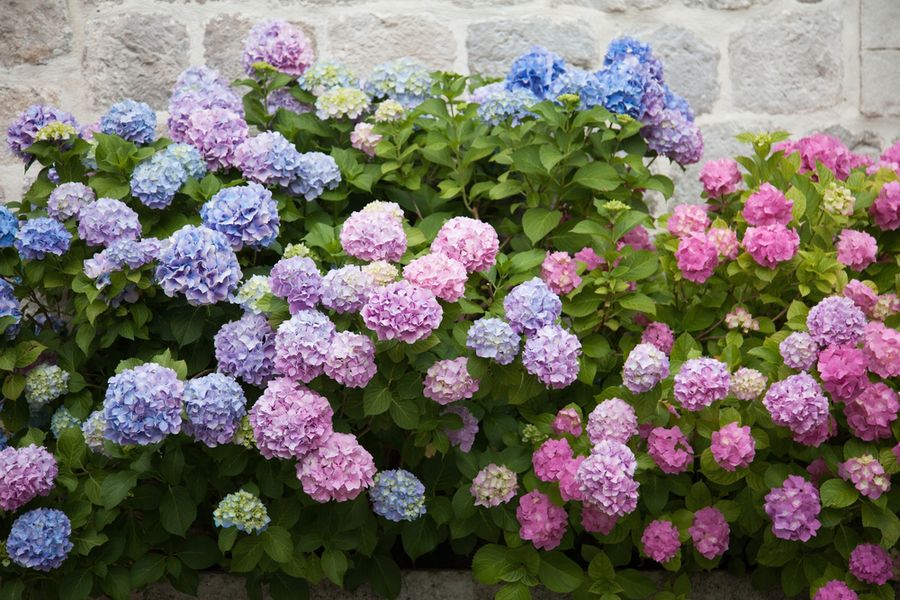
There's something deeply satisfying about a hydrangea in full bloom, with mophead blossoms the size of dinner plates or panicles arching gracefully overhead. But those summer showstoppers depend almost entirely on what you do in the spring. The right pruning, feeding, watering, and soil care sets the stage for the kind of bigger, brighter, more abundant blooms that turn a quiet corner of the garden into the showpiece of the whole yard.
Identify Your Hydrangea Type First
Before doing anything else, figure out which hydrangea you have, since the species determines almost every spring care decision. The most common types in home gardens are bigleaf or mophead (Hydrangea macrophylla), panicle (H. paniculata), smooth or Annabelle (H. arborescens), and oakleaf (H. quercifolia).
Mophead and oakleaf hydrangeas bloom on old wood, meaning they form their flower buds the previous summer and fall. Panicle and smooth hydrangeas bloom on new wood, producing buds on the current season's growth. Some newer reblooming varieties like Endless Summer flower on both old and new wood, which gives you more flexibility with timing.
Prune at the Right Time, Not Too Late
Pruning at the wrong moment is the single most common reason hydrangeas fail to bloom well. According to the University of Maryland Extension, hydrangeas that bloom on old wood, like mopheads and oakleafs, should be pruned right after they finish flowering, never in late winter or spring, because that removes the buds that would have produced this summer's blooms.
Hydrangeas that bloom on new wood, like panicle and smooth varieties, can and should be pruned in late winter or very early spring before new growth emerges. In all cases, remove dead, damaged, or crossing branches first, then cut back as needed to maintain the size and shape you want.
Feed for Flowers, Not Just Leaves
A common mistake is fertilizing hydrangeas with high-nitrogen lawn-type fertilizer, which produces lots of leafy green growth and surprisingly few flowers. For bigger summer blooms, choose a balanced or slightly phosphorus-heavy fertilizer like a 10-10-10 or 10-20-10.
Apply once in early spring as new growth begins, and again in early summer if your plants look hungry. Hydrangeas in containers need more frequent feeding, while those in rich garden soil may need less. Always water well before and after fertilizing to prevent root burn.
Get the Soil pH Working in Your Favor
Soil pH does double duty for hydrangea growers. The University of Georgia notes that bigleaf and mountain hydrangeas turn blue in acidic soils with a pH of 5.5 or lower, where aluminum becomes available to the plant roots, and pink in alkaline soils above 7.0.
For deeper blue, work aluminum sulfate into the soil in early spring. For richer pink, add garden lime to raise the pH gradually over several weeks. Panicle, smooth, and oakleaf hydrangeas bloom white or pale green regardless of soil pH, so you'll only see color shifts in mophead and lacecap types. A soil test is the quickest way to know where you stand before making any amendments.
Water Deeply and Mulch Generously
Hydrangeas are thirsty plants, especially during their first growing season and any drought period. Water deeply once or twice a week rather than shallowly every day, and aim the water at the base of the plant rather than overhead to avoid disease.
Two to three inches of mulch around the base helps lock in moisture, regulate soil temperature, and keep roots cool through the hottest weeks of summer. Avoid piling mulch directly against the stems, since it can encourage rot at the crown of the plant.
Give Them the Right Light
Most hydrangeas perform best with morning sun and afternoon shade, particularly in warmer climates. Too much hot afternoon sun can wilt blossoms and scorch leaves, while too much shade tends to mean lots of foliage and very few flowers.
Panicle hydrangeas are the most sun-tolerant of the group and actually prefer at least six hours of direct sun a day. If your hydrangea is struggling and you suspect light is the issue, watch how the sun moves across the spot throughout a full day before deciding whether to relocate the plant.
Watch for Late-Spring Frost Damage
A late frost is one of the biggest enemies of mophead and oakleaf hydrangeas, since their flower buds are formed and exposed by early spring. If a hard freeze is forecast after your hydrangeas have begun leafing out, cover them overnight with a sheet, frost cloth, or a couple of cardboard boxes anchored against the wind.
Remove the cover the next morning once temperatures rise above freezing. Even one hard frost at the wrong time can mean a flower-free summer for old wood bloomers.
Deadhead Last Year's Spent Blooms
For old wood hydrangeas, you can leave last year's spent blooms on the plant through winter for visual interest and to protect emerging buds underneath. In spring, snip off these dried flower heads just above the first set of healthy buds, using clean, sharp pruners to make a smooth cut.
For new wood varieties, deadheading throughout the growing season encourages a longer flowering window and tidier-looking plants. Always cut back to a strong pair of buds, never randomly into the middle of a stem, since random cuts can leave dead nubs that invite disease.
A Strong Spring Makes a Showy Summer
A few simple decisions in March, April, and May usually make the difference between a hydrangea that produces a handful of flowers and one that puts on a real show. Remember to identify the type, prune at the right moment, feed for flowers rather than foliage, and keep an eye on the soil and the weather. With the right spring routine in place, even a young plant can deliver tons of full, gorgeous blossoms by late June.