

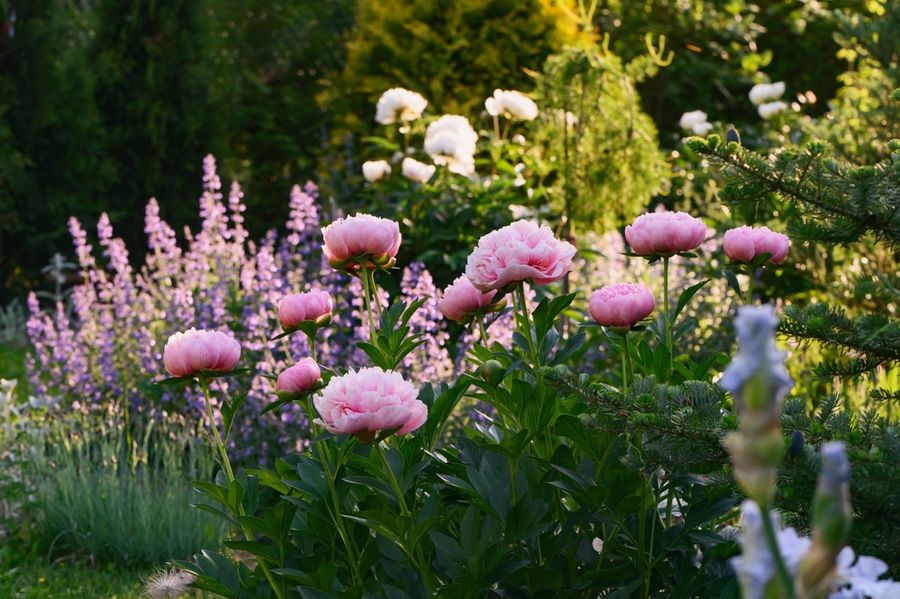
A cottage garden is the kind of garden you fall in love with. Loose, layered, abundant, and slightly wild! It spills over paths and fences with color, scent, and movement. The best cottage gardens look effortless, but they're built on a few simple plant choices and a willingness to let plants grow into each other. With the right flowers and a relaxed planting style, almost any sunny backyard can take on that storybook feel.
What Makes a Cottage Garden Different
A cottage garden style relies on three things: abundance, layered heights, and informality. Plants are placed close together so they grow into each other and soften every edge. Beds curve rather than run straight. Color comes in a generous mix rather than a strict palette.
The look feels romantic and lived-in, like the garden has been there for decades. Self-seeding plants, climbers, and a mix of perennials and annuals all contribute to the sense of natural overflow that defines the style.
Build Around English Roses
No cottage garden is complete without roses. English roses, particularly the David Austin varieties, combine the romance of old-fashioned shrub roses with modern disease resistance and repeat blooming. Their soft, fragrant blooms anchor every classic cottage garden, from soft pinks and apricots to deep crimsons and creamy whites.
Pair them with companions like catmint, lavender, or salvia that hide the rose's leggy lower stems and add their own color and texture. A climbing rose trained over an arbor or pergola is another quintessential cottage detail and gives the garden much-needed vertical interest along with another long season of bloom.
Add Tall Spires for Drama
Tall, vertical flowers give a cottage garden its iconic structure. Foxgloves, delphiniums, hollyhocks, and lupines all produce dramatic spires that rise above the rest of the planting and draw the eye upward.
Plant these toward the back of beds or against fences and walls, where they have room to grow without shading shorter plants below them. Foxgloves and hollyhocks are biennials or short-lived perennials but self-seed readily, popping up in different spots each year and adding to the relaxed, unplanned feel of the garden.
Mid-Height Stars
The middle layer is where many cottage gardens come into their own. Peonies bring lush, romantic blooms in early summer. Salvia, garden phlox, and bee balm carry the color through midsummer.
Shasta daisies, coneflowers, and black-eyed Susans bridge into fall. Bellflowers and yarrow add texture and movement. Aim for a mix of plants that bloom at different times so the middle of the bed always has something going on.
Front-Row Edgers and Fillers
The front of a cottage garden softens with low-growing edgers like lavender, catmint, hardy geraniums, sweet alyssum, dianthus, and pansies. These plants spill over path edges and pull the garden right up to your feet.
Catmint in particular is a workhorse, blooming for weeks with violet-blue flowers that bees love. Plant edgers densely so they form a continuous ribbon of color along the front of each bed. Stones or low brick borders give the edge a gentle frame without making the planting look formal or contained.
Include Plenty of Self-Seeders
The looseness of a cottage garden comes partly from plants that return on their own. Foxgloves, larkspur, nigella, forget-me-nots, poppies, aquilegia, and sweet alyssum all reseed themselves once they're established.
Let some flowers go to seed at the end of the season rather than deadheading every spent bloom. Each spring, you'll find new seedlings in slightly different places, which is exactly the kind of happy accident that gives a cottage garden its character.
Don't Forget Scent
The best cottage gardens are as fragrant as they are colorful. Roses, lavender, sweet peas, dianthus, nicotiana, and old-fashioned phlox all contribute their own scents.
Plant fragrant flowers near seating areas, gates, doorways, and paths where you'll brush past them and release the scent. Herbs like rosemary, thyme, and mint also belong in a true cottage garden, mixed right in with the ornamentals rather than confined to a separate herb garden.
Layer for Year-Round Bloom
A truly relaxed cottage garden has flowers in bloom from early spring through frost. Start with spring bulbs like daffodils, tulips, and bluebells. Move into early summer perennials like peonies, irises, and columbines.
Carry on through the hottest months with roses, phlox, daisies, and salvia. Finish strong with asters, sedum, Russian sage, and Japanese anemones in the fall. Mixing in a few annuals like cosmos, zinnias, and snapdragons fills gaps and keeps the color going from one season to the next.
A Few Design Principles to Tie It Together
A cottage garden is informal, but it isn't accidental. Plant in odd-numbered groupings of three or five for a more natural look. Also, repeat the same plant in several spots across the garden for visual flow.
You should also use curved beds and meandering paths rather than straight lines. Plant taller specimens behind shorter ones, with the very tallest near walls or fences. And give plants room to spread without crowding, since cottage gardens look their best when each plant has room to grow into its full shape.
A Garden That Welcomes You In
A cottage garden invites you to slow down. The combination of roses and foxgloves, scent and color, bees and butterflies, makes the space feel alive in a way that more manicured gardens rarely do.
The flowers above can take a year or two to settle in, but every season they get better. Start with a few favorites, let the self-seeders do their work, and resist the urge to over-plan. The best cottage gardens come together when you give them a little room to become themselves.