

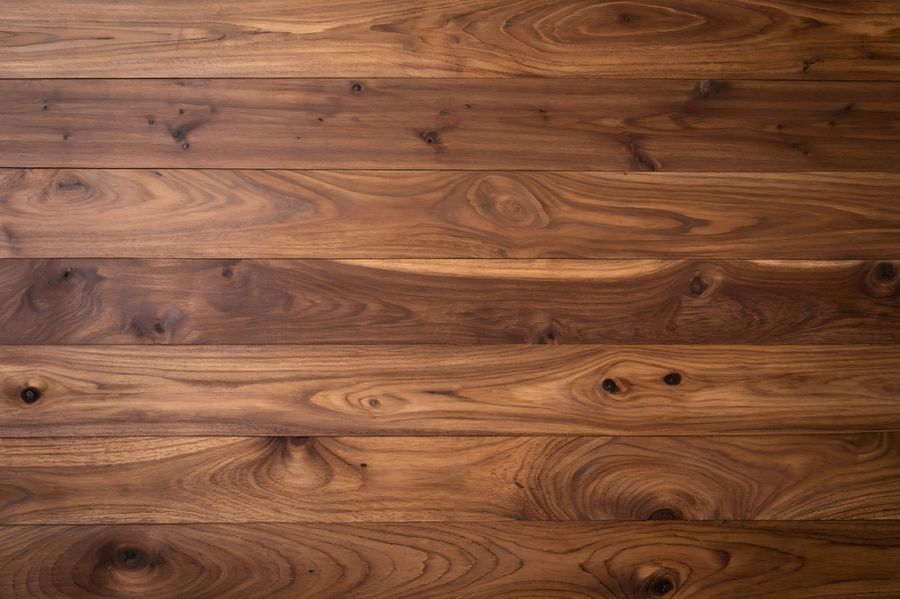
After more than a decade of cool gray floors, blonde oak cabinets, and minimal interiors, warm wood tones are firmly back in modern homes. Walnut, honey-toned oak, cherry, and other rich woods are showing up in floors, kitchens, furniture, and architectural details. The shift reflects a broader move toward warmth, comfort, and craft, and it's giving even very contemporary homes a softer, more lived-in feel that cool grays could never quite deliver.
The End of the Cool Gray Era
For most of the 2010s, cool gray defined home design. Gray laminate floors, gray-stained oak, gray walls, and gray fabrics filled new builds and renovations alike. That moment has firmly passed.
Designers and homeowners have been steadily moving away from cool tones toward warm, organic wood and earthy color palettes. The Northeastern Retail Lumber Association's 2026 flooring trends report points specifically to a strong move away from gray and ashy tones in favor of warm, organic color palettes like honey, caramel, chestnut, mid oak, and muted browns.
Walnut Leads the Comeback
Of all the warm woods regaining favor, walnut sits at the top of the list. Its rich, deep tones, flowing grain, and natural warmth make it a designer favorite for cabinetry, furniture, and architectural accents.
Walnut works particularly well in kitchens, where its depth balances the lighter countertops, brass hardware, and creamy walls that define the new luxe aesthetic. It also pairs beautifully with greens, blues, and earthy reds, which are themselves having a major moment in interior design across the rest of the home. Solid walnut and walnut veneer pieces are also widely available in vintage shops and estate sales, often at prices well below new comparable furniture.
White Oak and Smoked Oak Stay Popular
Walnut may be the showstopper, but white oak remains one of the most versatile woods in modern design. Its warm, light undertones keep rooms feeling bright while still reading as natural and organic.
Smoked oak, a deeper, more atmospheric variation, is gaining ground for those who want more drama. Both finishes embrace the natural grain rather than hiding it behind a heavy stain, which is a defining quality of contemporary warm wood design. Together with walnut, they cover the full spectrum from light and airy to rich and grounded.
Why Warm Woods Feel More Like Home
The return to warm woods is partly a reaction against the coldness of all-gray spaces. Cool tones often read as clinical, while warm woods feel inviting and alive.
They reflect light differently, picking up amber and gold rather than gray and blue, which shifts the entire mood of a room. They also age beautifully, developing patina rather than looking worn. For many homeowners, the simple fact is that warm woods make a house feel more like home, and that emotional pull is hard to ignore once you've experienced the difference firsthand.
How to Mix Wood Tones in the Same Room
The matching wood set, where every floor, table, and cabinet shares the exact same finish, is firmly out of style. Modern designers embrace mixing tones for a more layered, collected look.
Studio McGee recommends choosing a dominant wood, usually the floor or the largest piece in the room, and complementing it with two additional tones. Apartment Therapy describes this as the rule of threes: stick to a maximum of three different wood tones, and repeat each one at least twice for balance. The result is a space that feels intentional rather than mismatched.
Where to Use Warm Wood Throughout the Home
Warm wood works in nearly every part of the house. Floors in white oak, walnut, or hickory anchor the entire space. Walnut or oak kitchen cabinetry is replacing the white-and-gray combinations of the past decade.
Furniture pieces like a vintage walnut credenza, an oak dining table, or a teak chair can stand on their own as focal points. Even smaller details like a wooden range hood, exposed beams, or a wood-paneled accent wall add immediate warmth without committing to a major renovation.
Pair Warm Wood With the Right Materials
Warm woods look most expensive when paired with the right surrounding materials. Brass and unlacquered brass hardware add luminosity and warmth that complements wood grain beautifully.
Cream and warm white walls let the wood take center stage. Stone surfaces in warm marbles, soapstone, and travertine reinforce the natural feel. Avoid pairing warm woods with chrome, cool grays, or stark white, all of which tend to create a visual mismatch and undercut the warmth you're trying to achieve.
Caring for Warm Wood Surfaces
Beautiful wood deserves consistent care. For floors, sweep regularly and use only manufacturer-recommended cleaners, since harsh chemicals can dull the finish over time. Avoid letting water sit on any wood surface for long.
Furniture benefits from periodic dusting with a soft cloth and an occasional treatment with a quality wood polish. Direct, prolonged sunlight can fade warm woods over time, so use rugs, curtains, or UV-filtering window film in rooms with strong natural light. Done right, warm wood only gets more beautiful as it ages.
A Material That Makes Every Home Feel Right
Warm wood has been part of how humans build and decorate homes for centuries, and its return to favor reads more like a correction than a passing trend. After years of cool minimalism, the move back toward natural, layered, lived-in spaces is bringing wood front and center. Whether you start with a single walnut side table, a refinished hardwood floor, or a full kitchen renovation, warm wood delivers a kind of timeless quality that few other materials can match.