

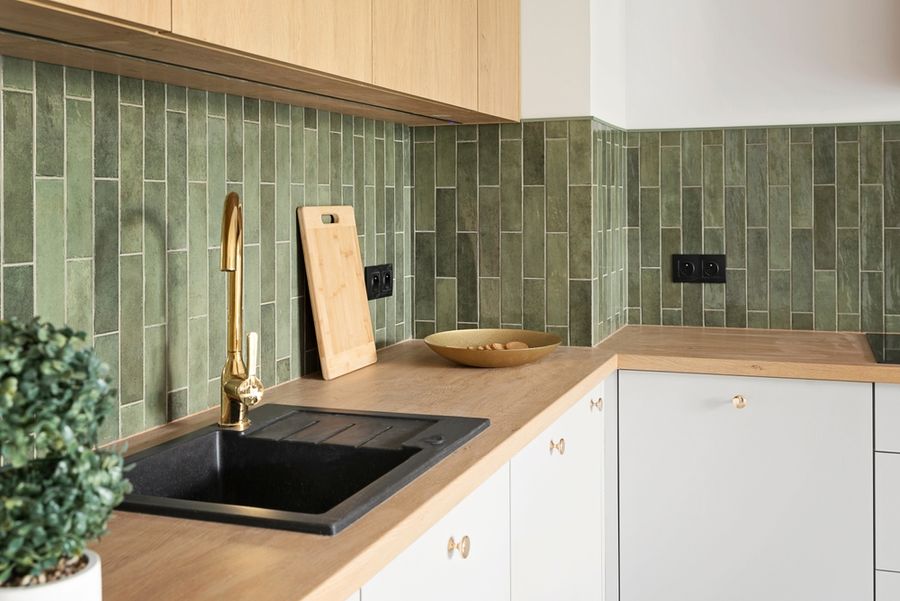
After years of all-white kitchens and cool gray cabinetry, the dominant color in 2026 kitchens is green. Specifically, the soft, earthy varieties like sage, eucalyptus, and olive that feel rooted in nature, rather than the brighter jewel tones of past decades. The shift away from bright whites and millennial gray feels warmer, more layered, and more grounded than anything that's dominated kitchens in the past ten years. It reflects a broader move toward natural materials and finishes built to last.
The Verdict: Soft, Earthy Green
Designers across the industry have settled on green as the kitchen color of 2026. According to the National Kitchen and Bath Association's annual trends report, 86 percent of design professionals expect green to lead kitchen color palettes this year, with shades like sage, eucalyptus, olive, and misty green replacing the cooler grays and stark whites that dominated the previous decade.
The new green is grounded, slightly grayed, and warm enough to read as natural. Done well, it feels like a color that has always belonged in your kitchen rather than something installed in a renovation.
Why Designers Are Choosing Green for 2026
After years of pure white kitchens, homeowners are craving more warmth, depth, and personality. Green delivers all three. Homes & Gardens reports that the move toward green reflects a broader desire for cabinetry that carries depth, restraint, and architectural presence.
Green also pairs beautifully with the natural materials, brass hardware, and warm wood accents that are dominating high-end kitchens this year. Unlike trend-driven jewel tones, soft greens feel rooted and timeless, which makes them a safer investment for homeowners considering a major renovation.
Sage, Eucalyptus, and Misty Green Lead the Way
Within the green family, the most popular variations for 2026 are noticeably softer than in past cycles. Livingetc reports that designers are favoring shades like sage, eucalyptus, and misty green with noticeable gray or warm undertones.
These tones read as nearly neutral in some lights and clearly green in others, which gives them a chameleon quality that works in north-facing kitchens, sun-drenched ones, and everywhere in between. They're also forgiving with imperfect lighting and small color variations in countertops or flooring.
Olive Green for a Bolder Statement
For homeowners who want something with more presence, olive green is having a major moment of its own. Slightly deeper and more yellow-toned than sage, olive green reads as warm and grounded, with enough complexity to look entirely different from morning to evening.
Homes & Gardens describes olive cabinetry as sophisticated and complex because it shifts character with the light. Olive pairs especially well with terra cotta tile, oak floors, and brass hardware for an earthy, layered look that doesn't feel trend-driven. It also reads beautifully on lower cabinets paired with warm cream uppers, a two-tone treatment that designers are using to add depth without committing the entire kitchen to a darker color.
How to Pair Green Cabinets With Other Materials
Soft green cabinets play well with the warm-leaning palettes taking over the rest of the home. Pair sage with creamy off-white countertops, oak or walnut flooring, and unlacquered brass hardware. For olive, lean into terra cotta backsplashes, soapstone or warm white quartz counters, and matte black or aged brass fittings.
Avoid pairing green with stark white or chrome, both of which can make the green feel cold or muddy. The goal is layered warmth, where the green sits among other natural, earthy elements rather than fighting them.
Best Hardware and Countertops to Pair
Hardware finish can make or break a green kitchen. Brass and unlacquered brass remain the top choices for warmth, while matte black gives sage and olive a more contemporary edge.
For countertops, warm white quartz, soapstone, marble with warm veining, and warm-toned butcher block all complement green beautifully. Backsplashes in zellige tile, cream subway tile, or natural stone reinforce the earthy, organic feel. On the other hand, cool grays, pure whites, and shiny chromes tend to clash with the warmth designers are leaning into this year.
How to Test Green Before You Commit
Cabinet color is a high-commitment decision. Before painting or ordering, an easy tip is to paint a large poster board with two coats of your chosen green and tape it inside the kitchen for at least a week. Look at it morning, noon, and evening, with both natural and artificial light.
Ask the same of any cabinet samples you order from a manufacturer. Greens read very differently under warm versus cool light, and a shade that looks perfect in the showroom may pull surprisingly cool or muddy in your actual kitchen. Be sure to test the color against your existing or planned countertops, flooring, and backsplash, too, since green can shift dramatically depending on what's near it.
Other 2026 Kitchen Colors Worth Watching
While green leads, a few other kitchen colors are also gaining ground. Warm whites and creamy off-whites are replacing stark white. Deep burgundy and oxblood are showing up as accent colors and on islands.
Benjamin Moore's 2026 Color of the Year, Silhouette, is a sophisticated espresso-charcoal that designers are using for islands, vent hoods, and lower cabinets paired with lighter uppers. Sherwin-Williams' choice, Universal Khaki, is an earthy taupe-green that also fits seamlessly into the same warm, layered palette dominating 2026 kitchens.
A Color That Will Age Well
The shift to soft, earthy green is more than a style refresh. It's a return to colors that feel rooted and lasting. Done in the right shade and paired with warm materials, a green kitchen has the chance to feel as fresh in 2036 as it does today.
If you're planning a renovation this year, sampling a few sage and olive options is a great place to start. The kitchens being designed now will set the tone for what feels current and timeless for years to come.