

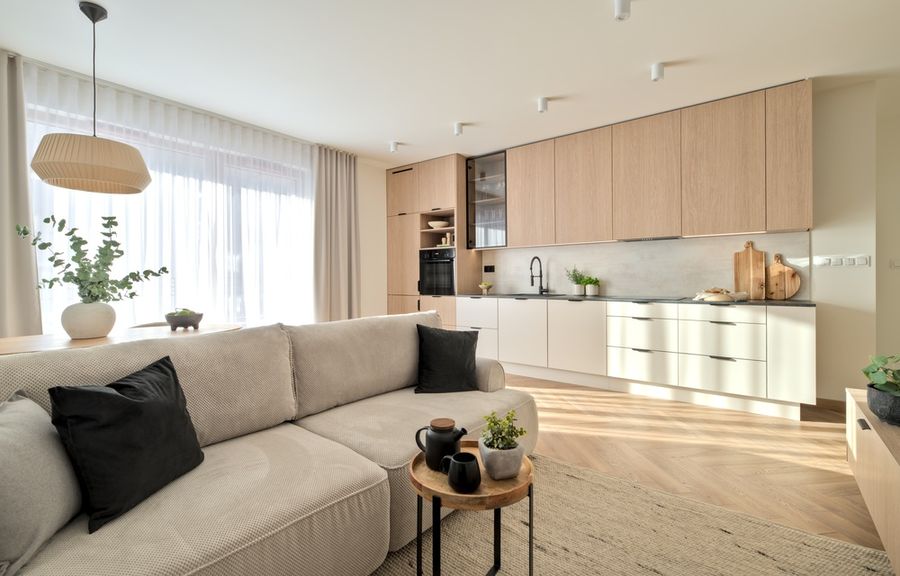
Let's face it, new construction homes often have great bones but very little soul. The walls are usually flat, the trim is thin, the lighting is generic, and every fixture looks like it came from the same builder catalog as a thousand other houses. The good news is that giving a new build the warmth and character of an older home doesn't require a full renovation. Most of the upgrades that matter most can be done in stages over time.
Add Architectural Moldings and Trim
The fastest way to give a new build a sense of history is to add architectural moldings. Crown molding where the walls meet the ceiling, taller and more detailed baseboards along the floor, and substantial casings around windows and doors all read as the kind of detail older homes were built with.
Picture frame molding on plain walls in a dining room, hallway, or stairwell adds visual interest with very little work. According to Living Etc., these treatments can transform a characterless house into one that feels storied and full of charm.
Install Wainscoting or Board and Batten
Beyond basic trim, paneling treatments add real architectural depth. Wainscoting, applied to the lower third or half of a wall and capped with chair rail molding, instantly suggests an older, more finished home. Board and batten paneling, with vertical battens spaced over a base layer, brings even more texture.
Both work especially well in entryways, dining rooms, mudrooms, and bathrooms. Family Handyman notes that nothing levels up a home faster than adding millwork trim, and nearly every room can be improved by it.
Swap Out Builder-Grade Lighting Fixtures
Builder-grade lighting is one of the most universal markers of a generic new home. The flush-mount domes, basic flush mounts, and forgettable chandeliers that come standard typically cost the builder under $40 each and add nothing visually.
Replacing them is one of the highest-impact upgrades any homeowner can make. Aim for fixtures with character: a vintage-inspired chandelier in the dining room, a substantial pendant over the kitchen island, sculptural sconces flanking a bathroom mirror. A single statement fixture can transform a whole room.
Upgrade Hardware Throughout
Every door, every cabinet, and every drawer in a new build typically came with the same generic, brushed-nickel hardware. Swapping it out for solid brass, antique bronze, blackened iron, or even mixed metals gives the house an immediate jolt of personality.
Cabinet pulls in the kitchen, doorknobs throughout the house, hinges, and even the lever handle on the front door all benefit from this kind of upgrade. The cumulative effect is dramatic, and it's a project a homeowner can tackle one weekend at a time.
Replace Stock Doors and Stair Railings
Stock interior doors are usually flat, hollow-core, and aggressively forgettable. Replacing them with five-panel solid wood doors, paneled doors, or vintage finds from a salvage yard adds substantial weight and history.
The same goes for stair railings and balusters. The thin pine spindles and oak railings standard in new builds rarely contribute to the feel of the home. Replacing them with substantial wood railings, painted balusters, or even iron details immediately makes the staircase feel intentional.
Add Wallpaper, Plaster, or Limewash for Texture
Flat, perfectly painted drywall is part of why new builds feel sterile. Adding texture changes the whole atmosphere. A bold floral or grasscloth wallpaper on a single accent wall, a powder room, or behind built-in shelves brings instant personality.
Limewash and Roman clay plasters create soft, mineral-textured walls that catch light beautifully and feel like surfaces from a much older home. JRL Interiors notes that surface treatments like these are some of the most powerful tools for adding warmth and depth to a new home.
Layer in Vintage Furniture and Antiques
The fastest way to make a new home feel old is to bring in pieces with actual age. A single antique dining table, a vintage Persian rug, an old painting, or a found wooden chest with patina anchors a room in time.
Try mixing old with new rather than going full antique. For example, pair an antique writing desk with a sleek lamp, or hang a contemporary mirror over a vintage console. The contrast is what makes both pieces feel intentional rather than dated.
Mix Wood Tones and Natural Materials
A new build often suffers from too much of one wood tone, especially the cool-toned grays and blond oaks popular with many builders. Mixing wood tones throughout the house adds depth and life.
Pair lighter floors with a darker dining table or a walnut console. Add an aged-oak bench, a teak side table, or a vintage rattan chair. Natural materials like stone, leather, woven textiles, and unlacquered metal all reinforce the sense of warmth and craft.
Custom Storage and Shelves
Built-ins are one of the most defining features of older homes. Adding bookshelves around a fireplace, a window seat with storage in a bay window, or a banquette in a breakfast nook turns generic spaces into ones that feel custom and architectural.
Even simple floor-to-ceiling shelves in a hallway or alcove read as built-in if executed thoughtfully. Many of these projects can be tackled with stock cabinetry boxes and custom trim, keeping costs reasonable.
A Home With Personality
A new build doesn't have to feel like every other new build. Layered trim, real lighting, beautiful hardware, mixed materials, and a few well-chosen vintage pieces transform a generic floor plan into a home that looks and feels uniquely yours.
Don't forget, the work doesn't have to happen all at once. Each project will compound, and a new build can grow into the kind of warm, characterful home that feels like it has been there for decades (even if it was built last year!).