

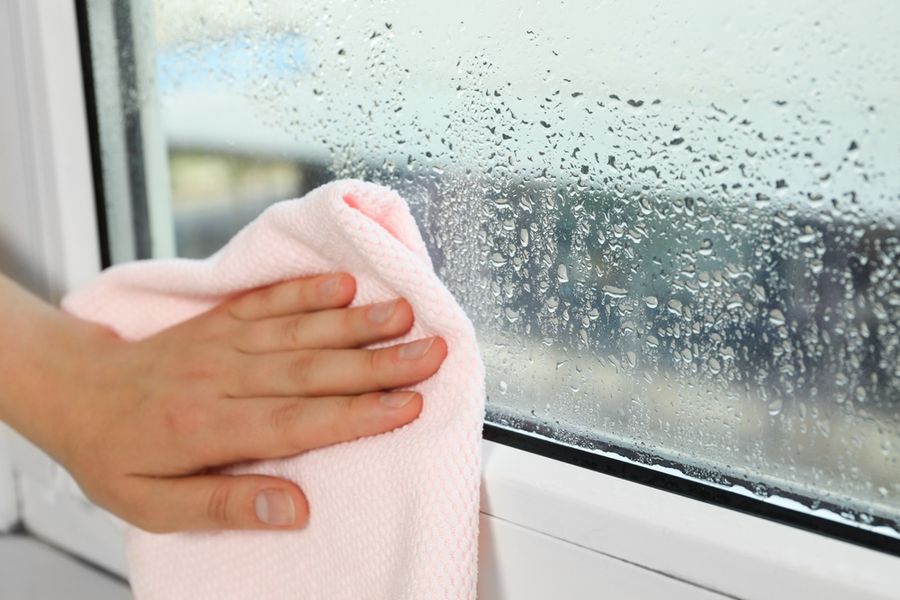
Window condensation can appear overnight and disappear by mid-morning, or it can persist all winter and slowly damage frames, walls, and indoor air quality. Knowing the difference between normal condensation and a real problem matters. Some condensation is a sign of healthy indoor air. Other times it's a warning of failed window seals, high humidity, or moisture trouble inside the walls. Understanding what's happening on the glass will help you decide what to do next.
What Causes Window Condensation
Condensation forms when warm, moist indoor air comes into contact with a cold surface, like a window. The water vapor in the air cools rapidly to a temperature called the dew point and changes back into liquid water.
According to Andersen Windows, the cold glass surface is almost always the trigger, but the underlying cause is excess humidity in the air. Showers, cooking, dishwashers, houseplants, and even breathing all add moisture to the air, which builds up faster in cold weather when windows stay closed and outside air is dry.
When Condensation Is Normal
A bit of condensation in the morning, especially in winter, isn't usually a sign of trouble. It tends to appear during cold snaps, after long showers, or when a lot of cooking has been happening.
Brief, light condensation that clears within an hour or two as the house warms up is generally a normal byproduct of human life indoors. Exterior condensation on energy-efficient windows is also normal and actually indicates that the windows are doing their job by keeping warm air inside the home.
When Condensation Is a Problem
Persistent condensation, condensation that drips down and pools on the sill, or condensation that returns hour after hour, points to a real moisture problem. Over time, that water damages window frames, paint, and trim.
It can also seep into walls, leading to wood rot, peeling paint, and mold growth behind the drywall. If you regularly wake up to wet windows even in mild weather, indoor humidity is almost certainly too high and needs to be addressed before damage takes hold. The same is true if water repeatedly pools on the sill or trickles down the wall below the window.
The One Type You Should Never Ignore
Condensation that appears between the panes of a double-pane window is in a category of its own. The International Association of Certified Home Inspectors explains that this type of moisture is a clear sign the window's hermetic seal has failed, allowing humid outside air into the space between the glass panes.
Once a seal fails, the insulating gas inside escapes, energy efficiency drops, and the window no longer performs the way it was designed to. The only fixes are professional defogging, replacing the glass unit, or replacing the entire window.
How to Reduce Indoor Humidity
The single most effective way to reduce window condensation is to lower indoor humidity. Most experts recommend keeping winter humidity between 30 and 40 percent.
An inexpensive hygrometer placed in a central living area helps you monitor levels. Be sure to run a dehumidifier in damp areas, especially basements. Reduce moisture-generating activities indoors when possible, like air-drying laundry indoors or letting tea kettles steam unattended for long periods. If you have a whole-house humidifier connected to your HVAC system, turn it down or off during the coldest months when the gap between indoor and outdoor temperatures is largest.
Improve Ventilation Throughout the Home
Good ventilation moves moist air outside before it has a chance to condense on cold surfaces. Run the bathroom exhaust fan during every shower and for at least 20 to 30 minutes after.
Use the range hood when cooking, especially when boiling, steaming, or stovetop frying. Crack a window for 5 to 10 minutes each day, even in winter, to flush stale air out. Also, confirm that exhaust fans actually vent outside the home rather than into the attic, where moisture can cause much worse problems.
Upgrade Insulation and Window Treatments
Cold glass is the trigger for window condensation, so anything that warms the glass surface helps reduce it. Tightly fitted insulated curtains, cellular shades, and storm windows all reduce the temperature gap.
Sealing air leaks around window frames with weatherstripping and caulk also keeps cold air from chilling the glass. If your windows are single-pane or older double-panes with failed seals, replacing them with modern energy-efficient versions is the most permanent solution.
When to Repair vs. Replace
Repair makes sense for minor seal damage, missing weatherstripping, or worn caulk, all of which are simple DIY fixes. Replacement is usually the better choice when seals have failed on multiple windows, when frames are rotted, or when the windows are more than 15 to 20 years old.
ENERGY STAR-rated windows pay for themselves over time through lower heating and cooling bills and far less moisture trouble. Compare estimates from at least three reputable installers before committing to a full replacement project, and ask each one whether they recommend full-frame replacement or insert windows for your specific situation.
A Drier Home With Clearer Windows
Window condensation is one of those everyday signals worth paying attention to. A little is normal. A lot is a sign that something needs to change, whether that's humidity, ventilation, insulation, or the windows themselves.
Take the time to understand what's happening on the glass, then address the underlying causes. Clearer windows, drier air, lower energy bills, and a home that doesn't quietly grow mold are all worth the relatively small effort it takes to fix the issue.