

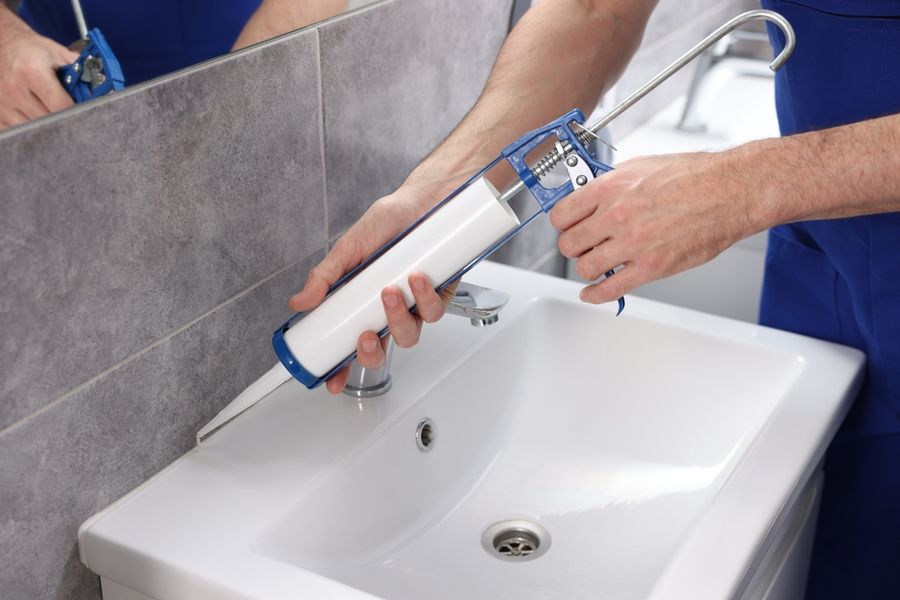
Bathroom caulk has one of the toughest jobs in the house. It seals out water from the wettest, warmest, most mildew-prone room and gets exposed to soap, heat, movement, and humidity every day. Even the best caulk eventually fails, usually with cracks, mold, or peeling that no amount of cleaning will fix. The good news is that recaulking a tub or shower is one of the most achievable DIY projects a homeowner can take on.
Why Bathroom Caulking Fails
Bathroom caulk fails for a handful of consistent reasons. Application issues are at the top of the list: caulk applied to a wet, dirty, or improperly prepared surface won't bond well, no matter how good the product is.
The wrong type of caulk in the wrong place is another common culprit. Acrylic latex caulk doesn't stand up to constant water exposure the way silicone does. Add poor bathroom ventilation, soap and mineral buildup, and natural movement of the tub or shower over time, and even good caulk eventually breaks down.
Signs It's Time to Recaulk
The most obvious signal is visible cracking, peeling, or pulling away from the surface. Discoloration, dark spots of mold or mildew that won't clean up, and gaps you can see daylight through all indicate that water can now reach behind the caulk and into the walls.
Most quality silicone bathroom caulk lasts 10 to 15 years, while lower-quality or improperly applied caulk may fail in just 2 to 5 years. If you can't remember the last time you recaulked, or you moved into a home with original caulk, it's almost certainly due.
Choose the Right Caulk for the Job
For tubs, showers, and any joint that gets regular water exposure, 100 percent silicone caulk is the right choice. Bob Vila notes that silicone is more waterproof, more flexible, more mildew-resistant, and longer-lasting than acrylic alternatives.
Look specifically for a mold- and mildew-resistant silicone formula labeled for kitchens and baths. Acrylic latex caulk has its place around painted trim and dry areas, but using it in wet areas is one of the fastest ways to guarantee a redo within a year or two.
Tools and Supplies You'll Need
You don't need much to recaulk a bathroom. Pick up a tube of mold-resistant silicone caulk, a quality caulk gun, a plastic putty knife or dedicated caulk removal tool, a utility knife, a caulk smoothing tool, painter's tape, isopropyl rubbing alcohol, microfiber cloths, and paper towels.
Most hardware stores sell a small caulking kit with most of these items together for under $30, and they pay for themselves on the first job.
Removing the Old Caulk
Start by scoring along both edges of the old caulk bead with a utility knife to break its bond to the surrounding surfaces. Then use a plastic putty knife to pry up and pull out the old strip. Avoid metal scrapers, which can scratch porcelain, tile, or fiberglass.
For stubborn residue, apply a caulk softener product from any hardware store and let it sit per the directions, then scrape gently. Dap recommends finishing with a no-scratch plastic scouring pad to remove every last bit of old material, since new caulk won't bond to old residue.
Cleaning and Drying the Surface
Once the old caulk is fully removed, clean the joint with isopropyl rubbing alcohol to dissolve any soap residue or oils. If mold or mildew is visible, wash the area with a solution of one part bleach to ten parts water, rinse thoroughly, and let it dry.
Then dry the surface completely. Most caulk manufacturers stress that any remaining moisture will compromise the new caulk's bond. Let the area air-dry for at least 24 hours before applying new caulk, or use a hair dryer on a low setting to speed things up.
Applying the New Caulk
Tape both sides of the joint with painter's tape, leaving a gap the width of the bead you want, usually about 1/8 to 1/4 inch. Cut the tip of the caulk tube at a 45-degree angle, making the opening slightly smaller than your gap.
Hold the gun at a steady 45-degree angle and pull it along the joint in one continuous motion, applying steady pressure. Smooth the bead immediately with a damp finger or caulk smoothing tool, then peel off the tape while the caulk is still wet for clean, professional-looking lines.
Common Mistakes to Avoid
A few small errors cause most caulking failures. Be sure to avoid the following:
- Don't apply caulk to a wet or dirty surface.
- Don't skip the smoothing step, which presses the caulk into the joint and forms the seal.
- Don't use too much caulk: a thin, even bead works better than a thick, messy one.
- Don't expose the caulk to water before it cures, which usually takes at least 24 hours, sometimes 48 hours, for full water resistance.
- Don't apply new caulk over old caulk.
When to Call a Professional
Most bathroom recaulking is well within DIY range, but a few situations call for a pro. Visible water damage in the wall behind the tub, soft spots in the floor or ceiling below the bathroom, or mold growing inside the wall all indicate problems that caulk alone can't fix. A plumber or general contractor can assess what's behind the visible damage and recommend proper repairs.
A Tight, Mold-Free Bathroom for Years to Come
Recaulking is one of those small home maintenance tasks with a big payoff. Done right, fresh silicone caulk stops water from reaching walls and subfloor, prevents mold from setting in, and makes the entire bathroom look noticeably newer.
Set aside half a day, gather the right tools, take your time on prep, and use a quality silicone product. The result is a tight, clean seal that should hold up well for the next decade, no matter how much steam the bathroom sees.