

Every home has a list of maintenance tasks that quietly get pushed off until something goes wrong. Most aren't urgent in any given week, but skipping them long enough can lead to fires, floods, ruined appliances, or expensive emergency repairs. Luckily, home maintenance jobs are usually quick, cheap, and easy to schedule. Knowing what to do and when to do it can save you lots of money and prevent a great deal of stress.
Cleaning the Dryer Vent
A clogged dryer vent is one of the most overlooked fire hazards in any home. The U.S. Fire Administration notes that failure to clean dryers is the leading cause of clothes dryer fires.
Lint builds up in the duct between the dryer and the outside vent, restricts airflow, and creates the conditions for ignition. This is why it's so vital to clean the lint trap before every load, and have the full vent line cleaned at least once a year. If your clothes are taking longer than usual to dry, that's your signal to clean it sooner.
Flushing the Water Heater
Most water heaters quietly accumulate a layer of mineral sediment at the bottom of the tank. Family Handyman and most plumbing experts recommend flushing the tank annually to remove this buildup, which otherwise reduces heating efficiency, increases utility bills, and shortens the life of the heater.
The good news is that the job only takes about an hour. You'll need to shut off power and water, attach a garden hose to the drain valve, run the water until it comes out clear, and refill. In hard water areas, flushing every six months is even better.
Testing the Sump Pump
A working sump pump is the only thing standing between a basement and a flood during heavy rain. Experts recommend testing yours once every few months, and especially before the rainy season starts.
You can test your sump pump by pouring a bucket of water slowly into the sump pit and confirming that the pump kicks on, drains the water, and shuts off. Also, check the discharge pipe to make sure water is being directed at least 20 feet from the foundation. Replace the float switch every two years if your manufacturer recommends it.
Replacing HVAC Filters
Air filters are one of the simplest things to maintain and one of the easiest to forget. A dirty filter restricts airflow, makes your HVAC system work harder, raises energy bills, and shortens the life of the equipment.
Check the filter monthly and replace it at least every three months. That said, if you have pets, allergies, or live in a dusty area, replace it more often. The job takes five minutes, and filters are affordable, and few maintenance tasks pay off more reliably.
Quick tip: write the date on the new filter with a permanent marker before installing, so you'll know at a glance when it's due for replacement again.
Inspecting the Roof and Gutters
Roofs and gutters do a lot of work and ask for very little in return. Walk the perimeter of your home at least twice a year and look up. You'll want to check for missing or curled shingles, damaged flashing, vegetation growing in the gutters, or dark streaks that signal trouble.
Clean gutters in late spring and again in late fall. Clogged gutters back water up under shingles and direct it toward the foundation, where it can cause leaks, mold, and structural damage over time.
Re-Caulking Tubs, Sinks, and Windows
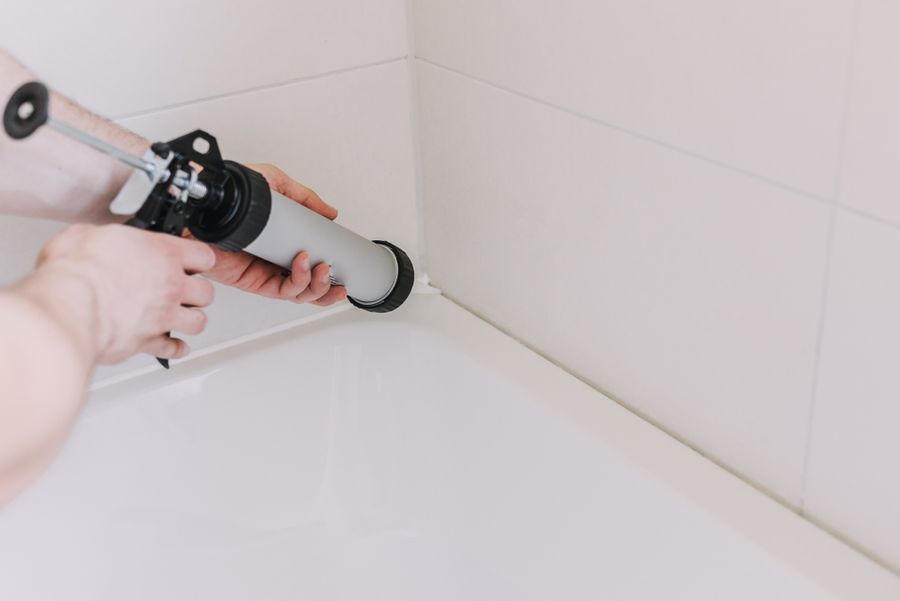
Caulking shrinks, cracks, and dries out over time, usually within 5 to 10 years. Worn caulk lets water seep into walls, where it rots framing and grows mold.
Check the caulk around your tub, shower, sinks, and exterior windows every year, and replace anything that's cracked, missing, or discolored. The job takes a tube of caulk, a utility knife, and a couple of hours, and it can prevent thousands of dollars in water damage.
Cleaning the Refrigerator Coils
The condenser coils on the back or underneath your refrigerator collect dust and pet hair over time. As they do, the fridge works harder to keep cold, uses more electricity, and is more likely to fail early.
Pull the fridge out from the wall once or twice a year, unplug it, and vacuum the coils with a brush attachment. The whole job takes 10 minutes and can add years to the appliance's life.
Replacing Smoke and CO Detectors
Smoke and carbon monoxide detectors don't last forever. Smoke alarms need to be replaced every 10 years, and CO alarms typically every 7 to 10 years, depending on the manufacturer.
Test every detector monthly and replace batteries at least once a year unless you have 10-year sealed units. The installation date is usually printed on the back of each unit. When in doubt, replace the device. New detectors are inexpensive, and a working alarm can save your life.
Checking the Washing Machine Hoses
The rubber hoses connecting your washing machine to the water supply quietly age and weaken. When they fail, they can release hundreds of gallons of water in a matter of hours.
Inspect both hot and cold supply hoses for cracks, bulges, or rust around the fittings at least once a year. Replace rubber hoses every five years, or upgrade to braided stainless steel versions, which last much longer and are far more failure-resistant.
A Simple Schedule Beats an Expensive Surprise
Most home maintenance tasks are quick, cheap, and easy when they're done on a schedule. The trouble starts when they pile up unaddressed.
A simple seasonal checklist taped inside a cabinet or saved as a recurring reminder on your phone is all most homeowners need. Twenty minutes a month spent on these tasks can add up to thousands of dollars in avoided repairs and many fewer middle-of-the-night plumbing or appliance emergencies.