

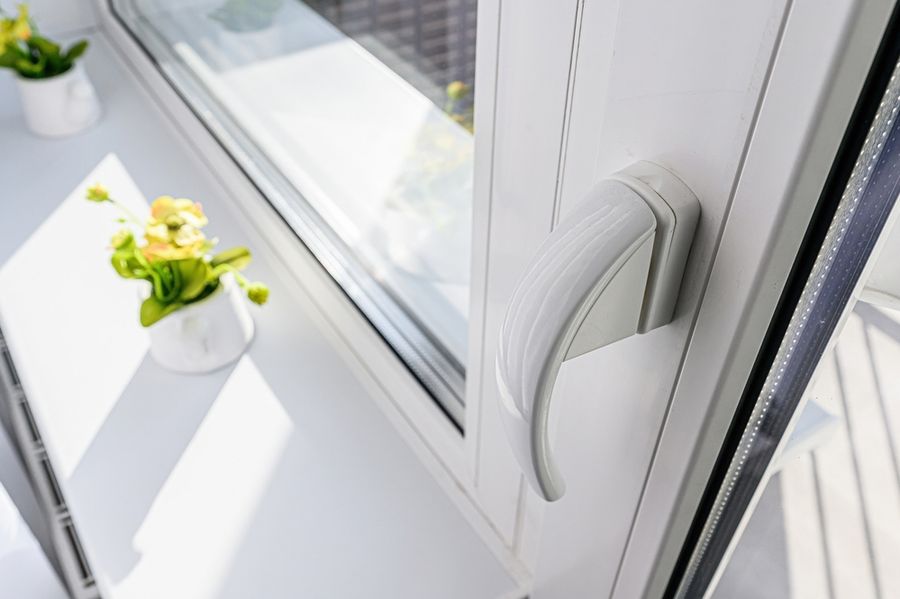
Window tracks are one of the most universally neglected spots in the home. Dust, dead bugs, pollen, grime, and even mildew accumulate in those small channels year after year until they look almost permanent. Luckily, even decade-old buildup can usually be cleaned in 15 to 30 minutes per window with supplies you already have. The right method makes the difference between a quick refresh and an afternoon of fruitless scrubbing.
Why Window Tracks Get So Dirty
Window tracks act as natural collection points for everything floating through the air. Each time a window opens and closes, dirt, dust, pollen, and tiny bits of debris get pushed into the corners.
Add humid summers, dead insects, and the occasional spill of cleaner from washing the glass, and the tracks fill in with a sticky, dark gunk that's hard to remove without the right technique. The deeper the channel, the worse the buildup, especially in older homes where windows have rarely been deep-cleaned.
What You'll Need
The basic kit is short: a vacuum with a brush or crevice attachment, a box of baking soda, a spray bottle of equal parts white vinegar and water, an old toothbrush, cotton swabs, a butter knife or putty knife, microfiber cloths, and paper towels.
For mildew, add a small bottle of hydrogen peroxide. For lubrication afterward, pick up a small can of 100 percent silicone spray. Most of these items live in the average kitchen or hardware drawer already.
Step One: Vacuum the Loose Debris
Before any cleaning solution touches the tracks, vacuum out every speck of loose debris. Bob Vila recommends a handheld vacuum or a regular vacuum fitted with a narrow nozzle attachment, which lets you reach into corners and along the full length of the channel.
Skipping this step turns dry dirt into wet mud the moment you spray anything, making the rest of the job twice as hard. Run the vacuum slowly along each track in both directions to make sure you've pulled out everything loose.
Step Two: Apply Baking Soda and Vinegar
With the loose debris gone, sprinkle a generous, even layer of baking soda along the tracks. Then spritz with your vinegar-and-water solution until the powder is fully saturated. The reaction will start fizzing immediately.
Let it sit for 5 to 10 minutes. Merry Maids recommends this method as one of the fastest ways to break up stubborn dirt, since the fizzing action lifts grime from the channel without scratching painted or vinyl surfaces.
Step Three: Scrub the Stubborn Spots
Once the mixture has had time to work, scrub the tracks with an old toothbrush. Pay extra attention to corners and any visibly stained areas. Most of the buildup will lift away easily.
For especially old or stubborn deposits, sprinkle a second light layer of baking soda directly on the toothbrush and scrub again. Wipe the tracks clean with a microfiber cloth, working from one end to the other so you don't push dirt back into already-cleaned areas.
Step Four: Detail With Cotton Swabs and a Knife
The corners and tight spots where the track meets the frame are where dirt likes to hide. Cotton swabs do an excellent job of pulling residue from these spots.
For really tight gaps, wrap a clean microfiber cloth around the tip of a butter knife or putty knife and run it along the corners. The cloth picks up what's left while protecting the surfaces from scratches. Switch to a clean section of cloth as soon as it gets dirty.
Don't Forget the Weep Holes
Most modern windows have small drainage openings called weep holes on the bottom of the exterior frame. They allow rainwater that gets into the tracks to drain back outside.
The Building America Solution Center, a U.S. Department of Energy resource, notes that clogged weep holes can trap water inside the frame and lead to rot or leaks. Check them with a flashlight after cleaning the tracks. Use a pipe cleaner, a thin wire, or a quick burst of compressed air to clear any blockage. Family Handyman recommends checking weep holes at least twice a year, especially before cold weather arrives.
Lubricate the Tracks When You're Done
Once the tracks are clean and dry, a light application of silicone spray helps the windows glide easily and protects the surfaces. Spray a 100 percent silicone lubricant onto a clean rag and wipe along the tracks rather than spraying directly, which can leave a slick residue.
Avoid WD-40 or other oil-based products, which attract dust and turn into new grime over time. Be sure to open and close each window five or six times to help distribute the lubricant evenly along the full length of the track.
How Often to Clean Window Tracks
Most window tracks benefit from a thorough cleaning twice a year, once in spring after pollen season and once in late fall before winter sets in. A quick vacuum between deep cleans keeps loose debris from accumulating.
Sliding glass door tracks tend to need more frequent attention, especially in homes with pets or heavy outdoor traffic. The more often you do the quick maintenance, the less effort the deep clean takes when it's time.
A Cleaner Window From the Frame In
Window tracks are a small detail, but cleaning them changes how a whole room feels. The windows operate more smoothly, the glass looks better, the room feels lighter, and the home itself feels better cared for.
With basic supplies, the right order of steps, and a bit of patience, even tracks that haven't been cleaned in a decade can look almost new again. Half an hour of work per window is one of the most satisfying maintenance tasks a homeowner can do.